
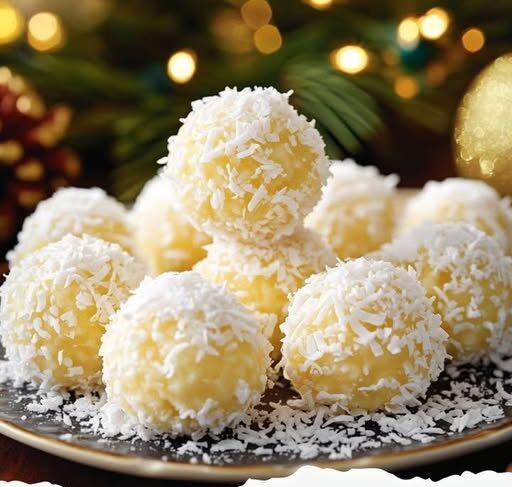
Tips for Perfect Pineapple Christmas Balls
- Drain the pineapple very well. Too much juice is the main cause of mushy, hard-to-roll balls; press it firmly in a strainer or even blot gently with paper towels.
- Crush graham crackers finely. Use a food processor or a rolling pin over a zip-top bag; fine crumbs blend better and help bind the mixture.
- Adjust texture as needed. Treat the mixture like a no-bake truffle base: add crumbs if it’s wet, a splash of juice if it’s dry, just until it rolls easily.
- Chill before and after rolling. Chilling before makes rolling easier; chilling after helps them set and makes them easier to serve and store.
- Flavor boosters: A small pinch of salt, a teaspoon of vanilla, or a spoonful of finely chopped pecans can deepen the flavor while keeping the classic profile.
Variations
- Colorful snowballs: Toss part of the rolling coconut with a drop or two of red or green food coloring for festive holiday colors.
- Nutty pineapple balls: Mix in finely chopped pecans, walnuts, or almonds for added crunch and a richer taste.
- Toasted coconut coating: Lightly toast some of the coconut for rolling to add a golden color and toasty flavor contrast.
- Less sweet option: Use part unsweetened coconut in the mixture or coating if you prefer a less sugary bite.
Storage and Make-Ahead
- Refrigerator: Store Pineapple Christmas Balls in an airtight container, layered with parchment if needed, in the fridge for up to 4–5 days. They are best served chilled, when the texture is firm but chewy.
- Freezer: For longer storage, freeze the balls on a tray until solid, then transfer to a freezer-safe container or bag. They keep well for up to 1–2 months; thaw in the refrigerator before serving.
- Make-ahead: These are ideal for holiday prep—make and roll them a day or two before your event and keep them refrigerated until ready to plate.
FAQs
Why is my mixture too soft to roll?
Most often, the pineapple wasn’t drained enough or the crumbs weren’t fine. Add extra graham crumbs or coconut a little at a time and chill longer. Next time, press more liquid out of the pineapple before mixing.
Can I use fresh pineapple instead of canned?
You can, but you must finely chop it and drain it extremely well; fresh pineapple has more moisture and can make the mixture loose. Canned crushed pineapple that’s well-drained is more predictable and commonly used in tested recipes.
Do these need to stay refrigerated?
Yes. Because of the moist pineapple and coconut, they keep their best texture and flavor when stored cold. At room temperature for long periods, they can soften and become sticky; keep them chilled until serving and return leftovers to the fridge.
Can I add cream cheese or condensed milk?
Some pineapple ball variations do use cream cheese or sweetened condensed milk, but that changes the richness and sweetness level. This particular version is a simpler, lighter, crumb-based treat; if you add dairy, you’ll likely need more crumbs to balance the texture.
Are Pineapple Christmas Balls very sweet?
They are moderately sweet thanks to the sweetened pineapple, graham crackers, and sweetened coconut. To tone down the sweetness, swap some of the sweetened coconut for unsweetened in either the mixture or the coating.
Conclusion and Call to Action
Pineapple Christmas Balls are an easy, no-bake way to bring something bright and tropical to a holiday dessert spread: soft, chewy centers full of pineapple flavor wrapped in snowy coconut. With just three core ingredients and a bit of chilling time, they slot neatly into busy holiday baking schedules and travel well for parties and cookie exchanges.
When you add these to your lineup, experiment with how finely you crush the crumbs, whether you like them plain or nutty, and if you prefer classic white coconut or colorful holiday coatings. Share which version your friends and family love most—those details help shape a signature pineapple treat that feels uniquely yours on every Christmas tray.