
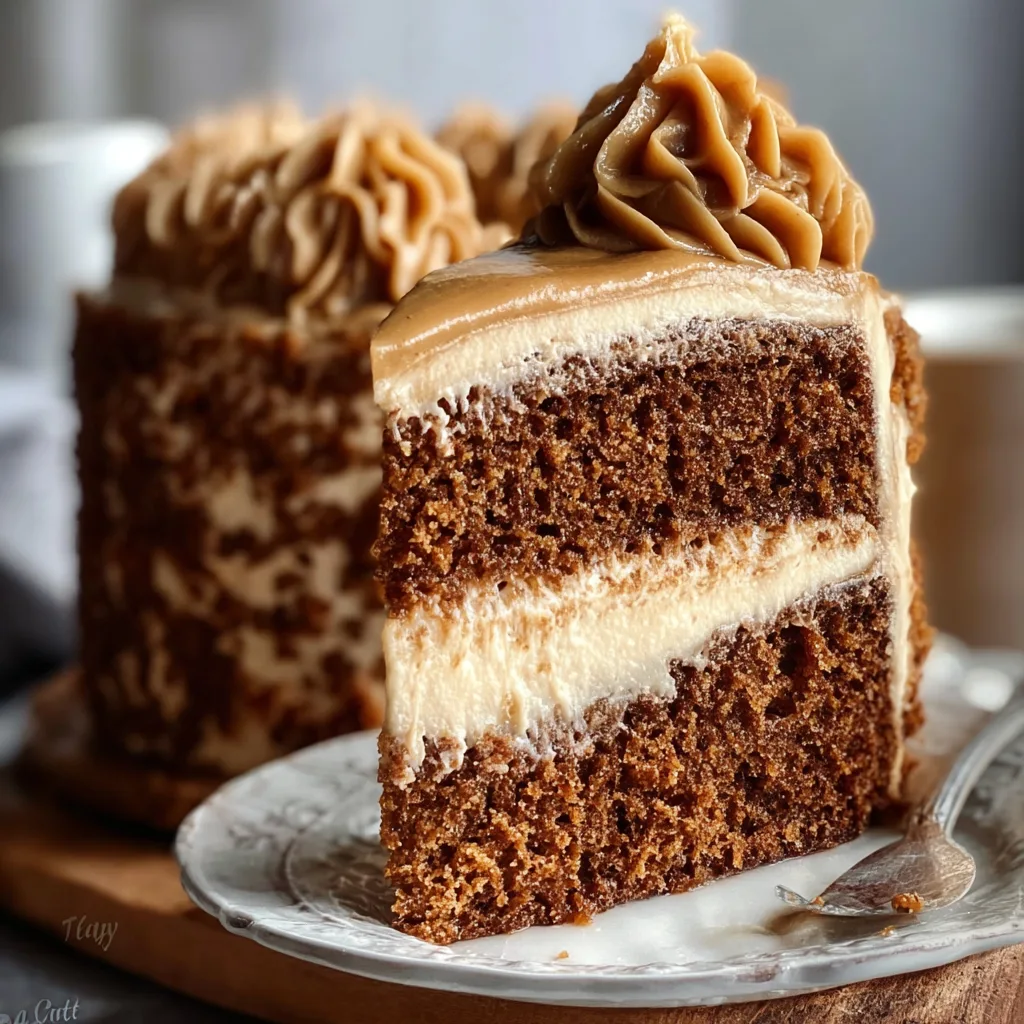
Notes and tips
- Molasses type: Unsulphured molasses is recommended for baking because it has a smoother, sweeter flavor that works well in gingerbread; blackstrap molasses is much stronger and more bitter, which many sources caution can overpower cakes.
- Even baking: Rotate the pan halfway through baking to promote even cooking and prevent one side from browning too deeply, a common tip in cake-baking guides.
- Soft texture: Gingerbread cakes are best when moist, so avoid overbaking; remove the cake once a toothpick shows just a few moist crumbs rather than waiting until it is completely dry.
FAQs
Can I use blackstrap molasses instead of regular molasses?
Blackstrap molasses is more bitter and less sweet than unsulphured baking molasses, and baking resources often advise against using it 1:1 in gingerbread cakes unless you adjust sugar and expect a stronger flavor. If you must use it, consider using part blackstrap and part a milder sweetener like regular molasses or maple syrup.
Can I bake this as cupcakes?
Many gingerbread cake batters can be adapted to cupcakes by filling liners about two-thirds full and baking at 350°F for roughly 18–22 minutes, checking for doneness with a toothpick. Watch closely, as cupcakes bake faster than a full cake.
How should I store this cake?
Frosted gingerbread cake with a butter/cream cheese frosting should be stored covered in the refrigerator and is usually best within 3–4 days. Let slices come to room temperature before serving for the best texture.
Can I make it ahead?
Yes. Many gingerbread cake recipes suggest that the flavors deepen after a day. You can bake the cake a day ahead, cool completely, wrap tightly, and frost it the next day.