
Pro Tips for the Best Results
Tender, Juicy Meat Every Time
To keep the ribs as moist as possible, I avoid rushing the braising step. Low and slow heat allows the connective tissue to break down gradually, which is what gives you that fork‑tender texture. Using foil that’s tightly sealed around the pan prevents steam from escaping and keeps the meat from drying out. If your ribs seem tough, the answer is usually more time at low temperature, not higher heat.
Getting a Sticky, Caramelized Glaze
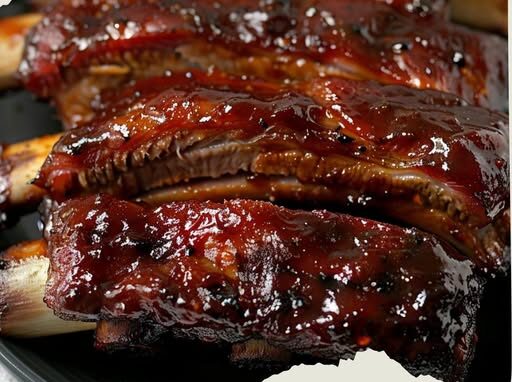
For a truly sticky finish, the glaze needs to be thick enough before it hits the meat. Reducing the Dr Pepper and BBQ mixture until it’s syrupy ensures it will cling and caramelize instead of thinning out into the pan. When finishing the ribs, keep a close eye on them—sugar can burn quickly under a broiler or over high grill heat. You’re looking for bubbling edges and darkened spots, not black patches.
Flavor Variations
One thing I love about this recipe is how easy it is to customize:
- For extra heat, stir cayenne pepper, chipotle powder, or hot sauce into the glaze.
- For more tang, add a splash of apple cider vinegar or a squeeze of fresh lemon to the sauce.
- To lean sweeter, add a spoonful of brown sugar or honey while the glaze reduces.
- To highlight smoke, choose a very smoky BBQ sauce and add a touch more liquid smoke.
These adjustments let you tune the Dr Pepper ribs to your exact taste without changing the core method.
Serving Ideas and Pairings
Side Dishes That Match the Ribs
Dr Pepper ribs shine when paired with classic comfort sides. I like to serve them with:
- Creamy coleslaw to cut through the richness.
- Buttery cornbread or soft dinner rolls to soak up extra sauce.
- Baked beans or smoky pinto beans for a hearty plate.
- Mac and cheese when I want full comfort‑food mode.
- A crisp green salad or grilled vegetables if I’m aiming for more balance.
The sweet‑savory profile of the ribs means they play well with both rich, creamy sides and bright, fresh ones.
How I Use Leftovers
If I have leftovers, I almost always shred the meat off the bones and use it in new ways:
- Piled onto toasted buns with extra sauce for Dr Pepper rib sandwiches.
- Stuffed into soft slider rolls for party platters.
- Scattered over baked potatoes with cheese, green onions, and a drizzle of sauce.
- Added to mac and cheese or grain bowls for a smoky, protein‑packed twist.
The flavor is so bold that even a small amount of leftover rib meat can transform a simple dish.
Storage, Reheating, and Make-Ahead
Fridge and Freezer Instructions
To store leftovers, I let the ribs cool to room temperature, then transfer them to an airtight container along with any remaining sauce. In the refrigerator, they keep well for about 3–4 days. For longer storage, I wrap individual portions tightly and freeze them with a bit of sauce for up to 2–3 months.
Reheating Without Drying Out
When reheating, I like to add a spoonful of water or a bit more BBQ sauce to the container, cover it, and warm the ribs gently in a 300°F (150°C) oven until heated through. You can also reheat them in the microwave in short bursts, covered, but the oven helps preserve the texture better. If I’m reheating shredded rib meat for sandwiches or sliders, I often warm it in a small skillet with a splash of sauce until it’s hot and glossy again.
Dr Pepper Ribs FAQs
Can I Use a Different Soda?
Yes, you can, but the flavor will change. Colas, root beer, or cherry sodas can all work, but Dr Pepper offers a unique combination of spice and fruit notes that make these ribs special. If you substitute, choose a soda with full sugar, not diet, so it can reduce and caramelize properly.
Can I Make These in a Slow Cooker?
Absolutely. You can season the ribs, place them in a slow cooker with one can of Dr Pepper, and cook on low for about 6–8 hours until tender. Then transfer the ribs to a baking sheet, brush with the reduced Dr Pepper BBQ glaze, and finish under the broiler or on the grill to caramelize the sauce.
How Do I Know When the Ribs Are Done?
The best sign is tenderness. The ribs should give easily when you insert a fork or twist a piece of meat. Internal temperature will usually be at least 190°F (88°C) in the thickest part, which is where the connective tissue has broken down and the meat becomes wonderfully tender.
Can I Use Another Cut of Ribs?
Yes, you can adapt this method for baby back or spare ribs. You may need to adjust the cooking time slightly based on thickness, but the Dr Pepper braise and glaze technique works well across different pork rib cuts.
Nutrition Overview
Exactly nutrition will vary with brand of BBQ sauce and portion size, but a typical serving of Dr Pepper ribs based on country‑style pork and this glaze will be a hearty, protein‑rich, higher‑calorie main dish best enjoyed as part of a balanced plate. Pairing the ribs with lighter sides like salad or steamed vegetables can help balance the richness while still letting you enjoy every sticky, saucy bite.
Final Thoughts and Call to Action
Dr Pepper ribs are the kind of recipe that turn an ordinary day into something a little more special, without demanding complicated techniques or equipment. The ingredients are familiar, the method is straightforward, and the payoff is a pan of glossy, tender ribs that friends and family will talk about long after dinner is over.
If you try these Dr Pepper ribs in your own kitchen, share how they turned out, what sides you served, and any fun flavor twists you added. Rate the recipe, leave a comment, or pass it along to another rib lover—you might just start a new favorite tradition at your table.