
Tips
Using room temperature butter (soft but not melted) makes creaming with brown sugar easier and results in smoother dough, which cookie guides frequently stress as key for good structure. Rolling the cookies in granulated sugar before baking not only adds a sweet crunch but also emphasizes the cinnamon flavor and gives the cookies a classic, sparkly finish associated with cinnamon‑sugar cookies.
too short again
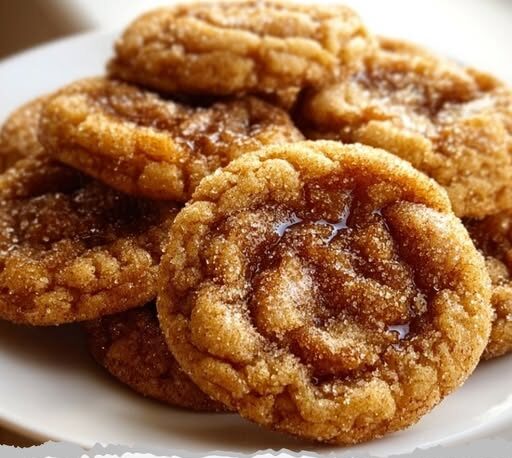
Buttery Brown Sugar Cinnamon Cookies are soft, cozy, bakery‑style cookies made with a rich brown sugar dough, plenty of cinnamon, and a sparkling sugar coating that adds just the right amount of crunch. They bake up with golden edges, chewy centers, and a warm spice aroma that makes them perfect for everyday treats, fall and winter baking, and holiday cookie trays.
Why you’ll love these cookies
These cookies lean heavily on brown sugar and butter, which gives them deep caramel notes and a soft, slightly chewy texture that stays tender for days—very similar to other chewy brown sugar and cinnamon cookie recipes. Ground cinnamon (and optional nutmeg) infuses the dough with warmth, so the flavor sits somewhere between a snickerdoodle and a brown sugar cookie, without being overly spicy.
Rolling each dough ball in granulated sugar before baking creates a delicate crust that crackles slightly when you bite in and helps highlight the cinnamon flavor, a technique widely used in cinnamon‑sugar cookie and snickerdoodle recipes. With no chilling required in many similar formulas, the dough comes together quickly and bakes in about 10–12 minutes, making this a true “any night of the week” cookie.
Ingredients
1 cup unsalted butter, softened
1 1/4 cups brown sugar, packed
1 large egg
1 teaspoon vanilla extract
2 cups all-purpose flour
1 teaspoon baking soda
1/2 teaspoon salt
2 teaspoons ground cinnamon
1/2 teaspoon ground nutmeg (optional)
1/4 cup granulated sugar (for rolling)
This ingredient list closely mirrors other brown sugar cinnamon cookie and Amish brown sugar cinnamon cookie recipes that rely on a high ratio of brown sugar to flour plus cinnamon for flavor.
Step-by-step directions
Step 1: Prep the oven and pan
Preheat your oven to 350°F (175°C). Line a baking sheet with parchment paper or a silicone baking mat. Parchment is standard in modern cookie recipes because it promotes even baking and prevents sticking without extra grease.
Step 2: Cream the butter and brown sugar
In a large mixing bowl, add the softened unsalted butter and packed brown sugar. Beat with a hand mixer or stand mixer on medium speed until the mixture is light, fluffy, and slightly paler in color. This usually takes 2–3 minutes and is a key step; cookie resources repeatedly note that proper creaming incorporates air, helps the cookies rise, and contributes to a soft texture.
Step 3: Add the egg and vanilla
Beat in the egg and vanilla extract until fully combined and smooth. Scrape down the sides of the bowl as needed so there are no streaks of unmixed butter or sugar.
Step 4: Mix the dry ingredients
In a separate bowl, whisk together the flour, baking soda, salt, ground cinnamon, and nutmeg (if using) until evenly combined. Whisking the dry ingredients prevents pockets of baking soda or spice, a standard tip in cookie recipes using multiple dry components.
Step 5: Combine wet and dry
Gradually add the dry ingredients to the butter mixture, mixing on low speed or by hand just until the flour is incorporated and the dough comes together. Avoid overmixing; cookie guides emphasize that working the dough too much can develop gluten and lead to tougher, drier cookies instead of the soft, buttery texture you want.
If the dough seems very soft or sticky—something that can happen if your butter was very warm—you can chill it for 15–20 minutes to make rolling easier. This trick appears often in cinnamon‑sugar cookie and brown sugar cookie recipes to help cookies keep their shape.
Step 6: Shape and roll in sugar
Pour the 1/4 cup granulated sugar into a shallow bowl. Using a small cookie scoop or a spoon, portion the dough into 1‑inch balls; each ball should be about 1 tablespoon of dough. Roll each portion between your palms to smooth it, then roll the ball in the granulated sugar until fully coated.
Place the sugar‑coated dough balls on the prepared baking sheet, spacing them about 2 inches apart to allow for spreading. If you like slightly thicker cookies, you can leave them as balls; if you prefer a bit more spread, some cinnamon‑sugar cookie recipes suggest gently flattening the tops with your fingers or the bottom of a glass, but with this dough it’s usually not necessary.
Step 7: Bake
Bake in the preheated 350°F (175°C) oven for 10–12 minutes, or until:
- The edges are just turning golden
- The centers look set but still soft
- The surfaces may have fine cracks from the sugar coating
Cinnamon cookie recipes consistently recommend avoiding overbaking; pulling cookies when they are just set preserves a soft, chewy interior. If you prefer slightly underbaked centers, you can lean toward the 10‑minute mark.
Step 8: Cool
Remove the baking sheet from the oven and let the cookies cool on the sheet for about 5 minutes. This brief rest allows the cookies to firm up enough to handle without breaking. Then transfer them to a wire rack to cool completely.
Many brown sugar and cinnamon cookie recipes note that flavor deepens as cookies cool and even into the next day as the spices bloom, so they can be even better a few hours after baking.
Texture, flavor, and serving ideas
These Buttery Brown Sugar Cinnamon Cookies have:
- Soft, slightly chewy centers thanks to brown sugar and proper baking time
- Crisp, lightly sugary edges from the granulated sugar coating
- A warm, comforting flavor from cinnamon and optional nutmeg, layered over buttery, caramel‑like notes from the brown sugar
They pair particularly well with coffee, tea, hot cocoa, or a glass of milk. Brown sugar cinnamon cookie recipes often suggest serving them plain because the sugar coating adds plenty of sweetness, but you can also:
- Drizzle a light vanilla or maple glaze if you want a more dessert‑like cookie
- Sandwich two cookies around a spoonful of cinnamon cream cheese frosting for a whoopie‑pie feel
- Dip half the cookie in white chocolate and sprinkle with cinnamon sugar for a holiday presentation
Tips for success
Use true room‑temperature butter
Butter that is soft but not greasy is ideal; recipe authors repeatedly stress that this allows air to beat in easily without causing the dough to spread excessively. If your butter is too cold, creaming will be difficult; if it’s melted, the cookies may spread too thin.
Measure flour correctly
Spoon flour into your measuring cup and level it off rather than scooping directly from the bag. Over‑measuring flour is a common cause of dry cookies in brown sugar and cinnamon cookie recipes.
Don’t skimp on creaming time
Cream the butter and brown sugar until noticeably lighter and fluffier; under‑creamed dough can result in denser cookies.
Watch the bake time closely
Start checking at 9–10 minutes. Pull the cookies as soon as the edges just start to turn golden and the centers no longer look wet. They will continue to firm up as they cool.
Adjust cinnamon and nutmeg to taste
If you like a stronger spice profile, you can bump the cinnamon slightly or keep the nutmeg. For a milder cookie, reduce the cinnamon a bit or omit nutmeg; cinnamon cookie recipes often suggest tailoring spice levels to personal taste.
Storage and make-ahead
Once the cookies are completely cool, store them in an airtight container at room temperature. Chewy brown sugar and cinnamon cookies like these generally stay fresh for about 4–5 days when stored properly. Placing a small piece of bread or a slice of apple in the container (replaced as needed) is a common trick to keep cookies soft by sharing moisture, though you should monitor to avoid sogginess.
You can also freeze the baked cookies for longer storage. Place them in a single layer to freeze, then transfer to a freezer bag or airtight container; they typically keep well for about 2–3 months. Thaw at room temperature and, if desired, refresh briefly in a low oven for a just‑baked feel.
For make‑ahead convenience, you can scoop and sugar‑coat the dough balls, freeze them on a tray until firm, then store in a freezer bag. Bake from frozen, adding a minute or two to the bake time.
FAQs
Do I have to chill the dough?
Many cinnamon sugar cookie recipes, including those similar to this one, do not require chilling, and you can bake the dough right away. However, if your kitchen is warm or the dough feels very soft, a brief chill (15–20 minutes) can help control spread.
Can I substitute dark brown sugar for light brown sugar?
Yes. Dark brown sugar will give a slightly deeper molasses flavor and may make the cookies a bit chewier, which some brown sugar cookie recipes encourage for extra richness.
Can I turn these into cut-out cookies?
This dough is formulated as a drop cookie dough, similar to other cinnamon sugar and brown sugar cookies. For cut-outs, you’d typically use a slightly firmer dough; if you want to experiment, you may need to increase flour and chill the dough well.
Can I reduce the sugar?
Reducing sugar significantly can affect both texture and spread, since sugar contributes to tenderness and structure in cookies. If you’d like them less sweet, a smaller adjustment is safer (such as a slight reduction in brown sugar or skipping extra sugar coatings) rather than large cuts.
Buttery Brown Sugar Cinnamon Cookies bring together simple pantry ingredients and classic techniques to create a soft, warmly spiced cookie that feels like a hug in dessert form. Add them to your cookie rotation, invite your readers to save or pin the recipe for fall and winter, and encourage them to share their own spins—more spice, a glaze, or even a white‑chocolate dip for the holidays.